Clean Energy Resilience: Climate Change Spurs Climate Tech Innovation

Clean energy resilience refers to the ability of a community or region to maintain a reliable and sustainable energy supply even in the face of extreme weather events. Unlike traditional fossil fuel-dependent systems, clean energy infrastructure is inherently more resilient. Our climate change expert Brad Carl talks about ways the clean energy industry is responding.
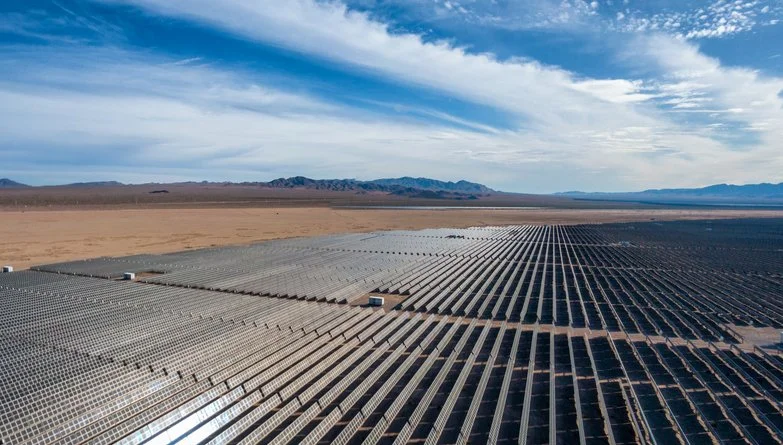
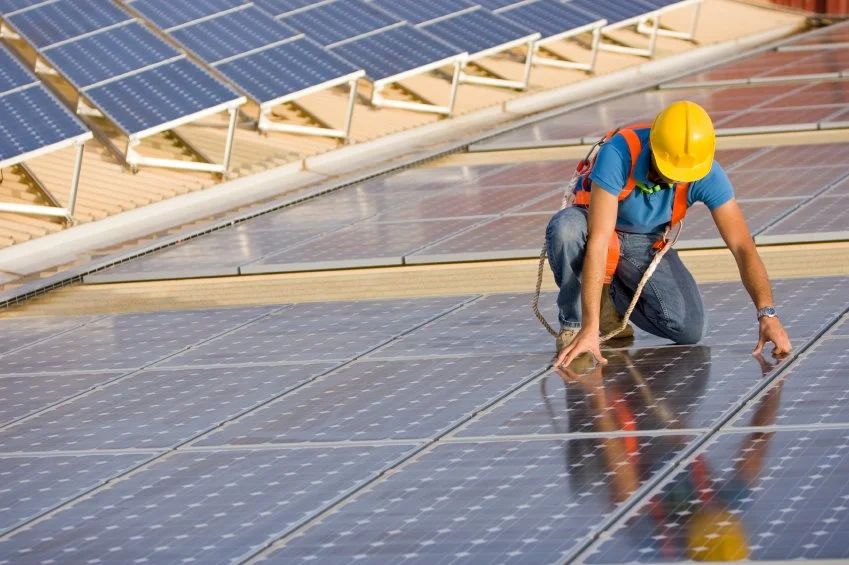
Texas Solar Power: A Game-Changer in America’s Clean Energy Shift

At it’s core, the story of the clean energy transition is simple. It is the shift of the global economy from fossil fuels to instead run on carbon-free energy. It is a narrative with immense stakes. In this three-part series we will take a look Texas and the role it’s playing in the transition and possibly raising the stakes for those to follow.

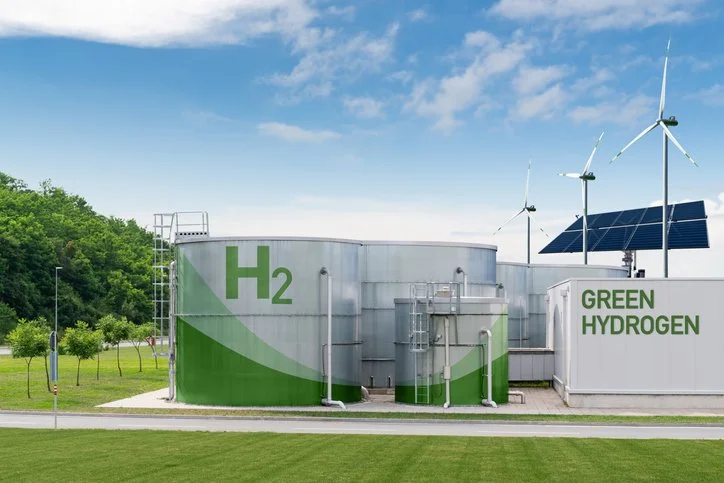
Navigating a New Definition on Green Hydrogen Production

Green hydrogen has emerged as a promising contender in the race to decarbonize our energy systems – including energy storage, heavy industry and hard to abate sectors, maritime shipping, and aviation. Now, it can be produced with zero greenhouse gas emissions.

Unstoppable Growth: The Inflation Reduction Act’s One-Year Anniversary

From campaign trail promises to final enacted legislation, those of us in the energy community have been thrilled for the boost that the Inflation Reduction Act (IRA) has provided American business. As we look back on and celebrate the one-year anniversary of this landmark legislation, there are many milestones to acknowledge and many opportunities on the horizon. 

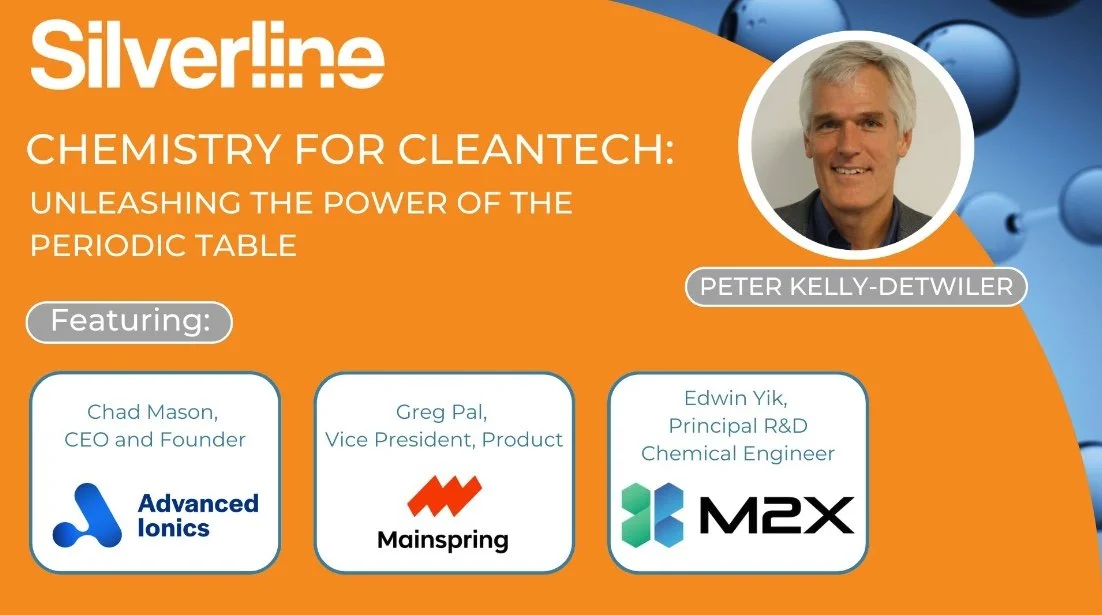
Chemistry for Cleantech: Unleashing the Power of the Periodic Table

Led by our esteemed Silverline Advisory Council member, Peter Kelly-Detwiler, with participation from Silverline’s cleantech innovators network, “Chemistry for Cleantech: Unleashing the Power of the Periodic Table” guided webinar guests through the underlying chemistry and technology innovation driving the fight against climate change.

Meet the Top 12 Climate Journalists Leading the Conversation in 2023

Through their climate reporting, these 12 journalists have made a profound impact on the Silverline team and on their readers, providing valuable insights, uncovering truths, and driving public discourse. They illuminated the pressing challenges and transformations presented by the global climate crisis.

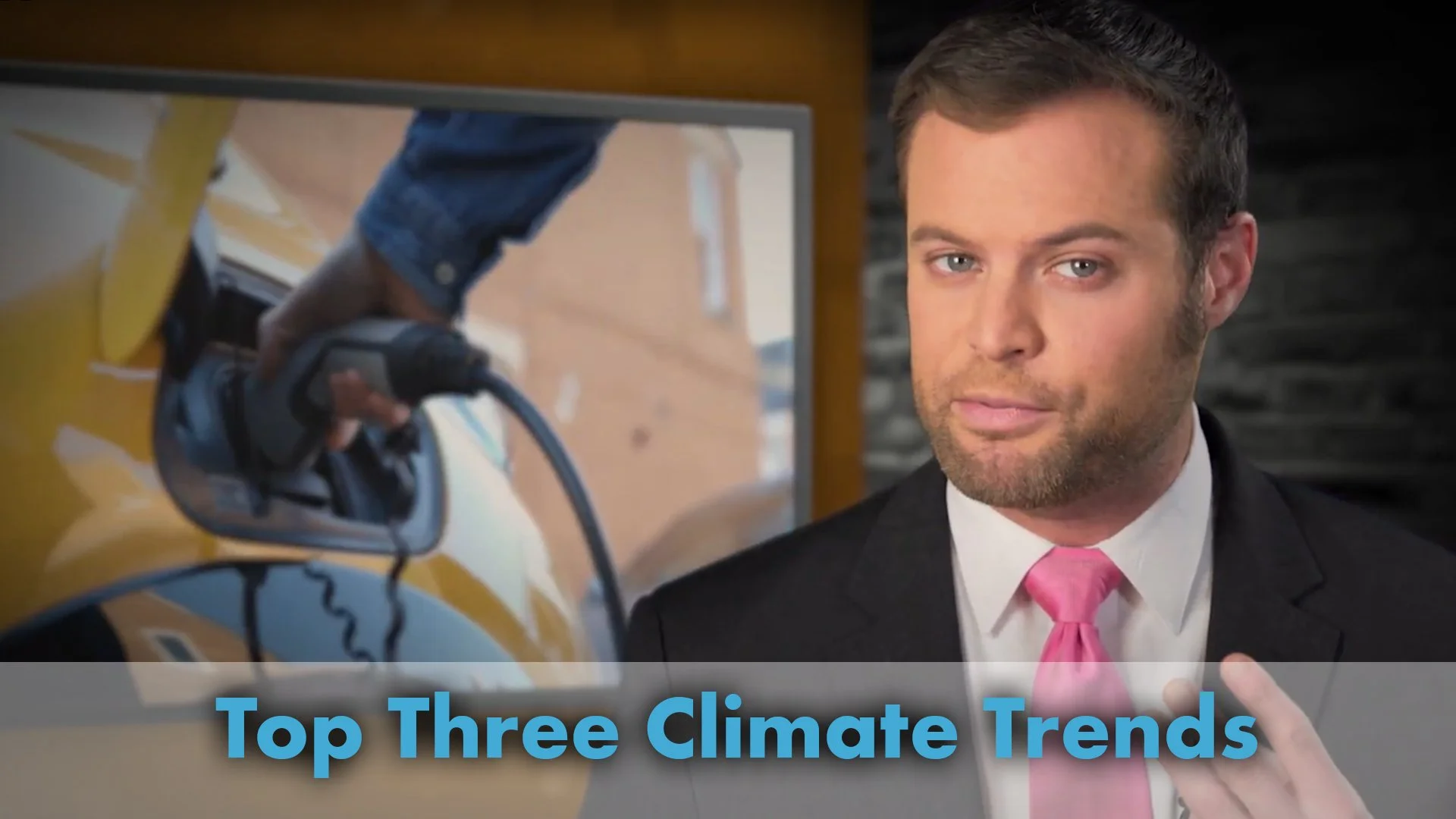
Climate Tech Break: Top Three Trends in Climate and Clean Energy in 2023

As we start 2023, we expect the clean energy revolution to continue and we’re carefully watching these top three climate trends… First, an increase in ESG funding is on the horizon as well as new regulations governing these ESG funds. Second, the drive for electric vehicles cranks into high gear in 2023. Beyond skyrocketing EV sales, we’ll see a substantial increase in battery-powered school buses, fleets and commercial trucks. And third, we predict the challenge to reduce Scope 3 emissions will take center stage in 2023.

Climate Tech Break: IRA in Action

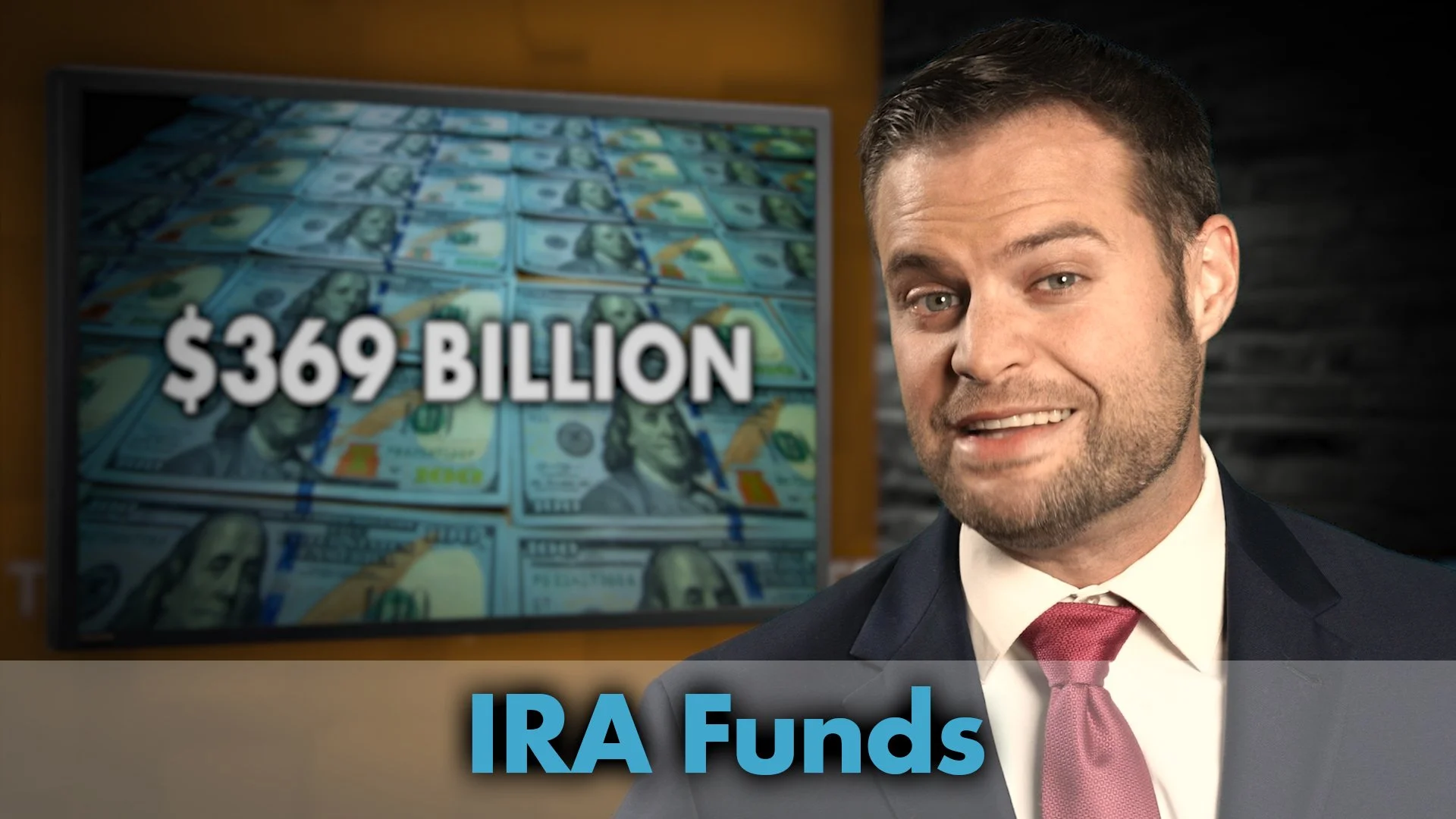
Unprecedented climate legislation is opening a vast array of opportunities for those in the cleantech space. The $369 billion dollars in federal funding is proving to be a gamechanger by delivering critical investments to climate tech developers and manufacturers. Companies are taking advantage of tax incentives and grants for solar, wind, and other renewable energy projects. Developments are moving even faster in e-mobility, where Americans now can now tap into a $7,500 credit to buy EVs. The law also requires that some manufacturing and assembly of EVs happens right here at home in the U.S. And as an important first, this law will dedicate between around $60 billion to environmental and climate justice efforts.

Climate Tech Break: Understanding Emissions Scopes

EPA Scopes have created a framework for a path forward on reducing emissions, and investors are following the lead. Investment areas are concentrated, for now, on Scopes 1 and 2. These scopes cover greenhouse gases (ghgs) from sources owned or controlled by a federal agency to ghgs resulting from generation of electricity, heat or steam purchased by a federal agency. Scope 3 is tackling ghgs from sources not owned or directly controlled by a federal agency but related to activities. This means transportation, business air travel, commuting, contracted solid waste and wastewater are covered.

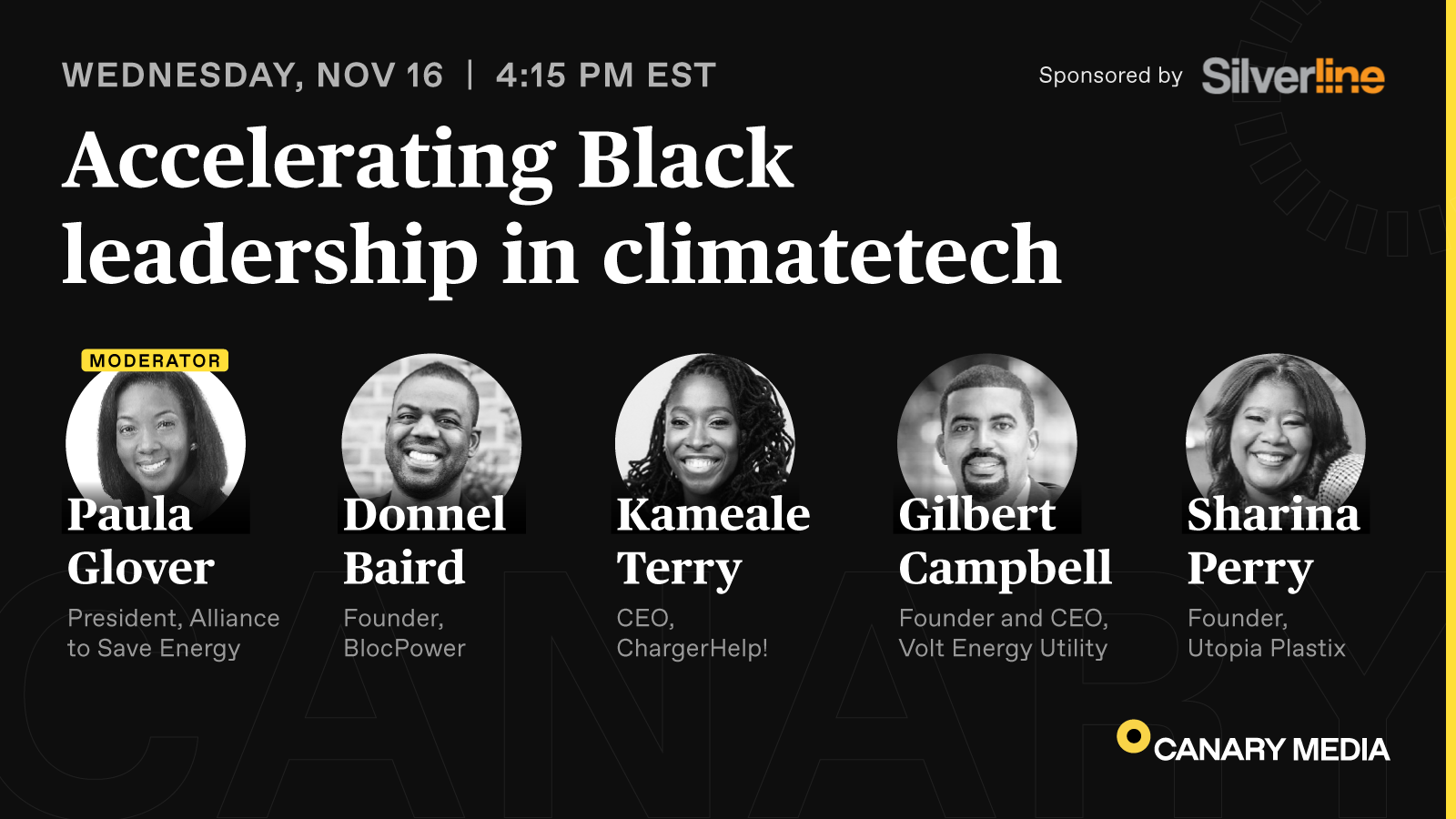
Accelerating Black Leadership in Climate Tech

On the heels of the most transformative climate legislation in history, the clean energy movement is poised for action. Against this backdrop, how can climate and cleantech attract and elevate diverse voices that reflect the communities where equitable and just climate action is needed most? As a cleantech communications agency with diversity, equity, and inclusion at our core, Silverline wondered how Black leaders in cleantech are addressing the issue, so we partnered with Canary Media to develop and sponsor a forum on Accelerating Black Leadership in Climate Tech.